
A practical, operator-focused guide showing how Peak Demand’s Voice AI can safely work with Greenhouse to handle interview scheduling, candidate status checks, routing and intake — and when to hand calls to a human.
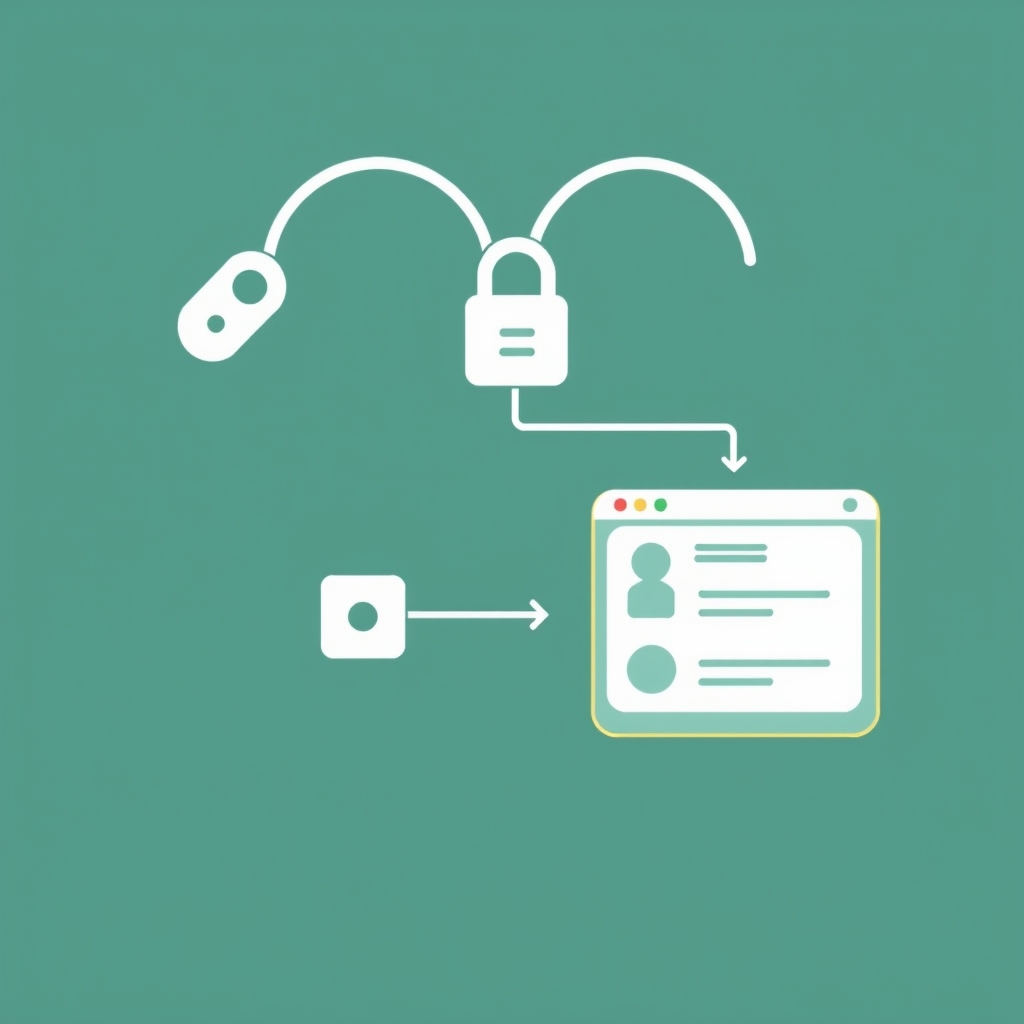
What can Voice AI actually do with Greenhouse?
Short plain-English answer first: Peak Demand’s Voice AI can understand caller requests, fetch permitted Greenhouse context, take supported actions (create or update scheduling/interview records, post notes, create tasks or route requests) and confirm the result — all subject to the organisation’s API permissions and business rules.
Permitted actions versus provenance and permission
Greenhouse documents an API/developer surface that supports both read and write operations, plus scheduling objects and webhooks. That means, with the right organisation permissions and scopes, a Voice AI integration can retrieve candidate and job context, create or modify interview and scheduling objects, post comments or tasks, and trigger notifications that are already part of your Greenhouse workflow. Peak Demand never writes or shows data beyond the scopes you grant, and every action is validated before write.
- Read candidate and job data to confirm identity and context.
- Create or update interview objects and scheduling records where scheduling integration is enabled.
- Post notes or tasks to a candidate or job entry to capture call outcome.
- Trigger routing/notifications to hiring teams using Greenhouse workflows and webhooks.
What Peak Demand adds operationally
Peak Demand supplies the conversation layer, intent validation, organisational business rules, human-handoff logic and AWS middleware that mediates calls to Greenhouse. We handle authentication, permission checks, retries, structured logging and recording consent. The result: callers get a natural conversation and predictable outcomes while your Greenhouse instance keeps an auditable record of who did what and why.
- Natural-language caller handling that translates intent to permitted Greenhouse actions.
- Middleware layer for auth, scope enforcement, validation and retries.
- Confirmations to the caller and structured records in Greenhouse for auditability.
What happens when a caller wants to book, change or check something?
Recruiting and staffing calls often centre on interviews: booking, changing, cancelling, or confirming times. Below are compact caller-to-outcome examples you can use when evaluating or designing your Voice AI flow.
Example: Candidate checks interview time
Caller: “Hi, I’m Jane Doe — can you tell me when my interview with Acme is?” What the agent needs: caller identity (phone number, confirmation code, or matched candidate record), the job/interview context, the scheduled interview object. Permitted system action: Read candidate record and interview schedule; return time, location and interviewer names. Caller confirmation: Voice AI reads back time and interviewer, and offers to add to calendar or send SMS. No write is necessary unless the caller asks to reschedule. Human takeover: Offer details, special accommodation requests, or discrepancies should escalate to a recruiter.
- Validate caller identity by matching phone or asking two non-sensitive verification questions.
- Fetch interview objects and present time, format (phone/onsite/virtual), and next steps.
- Offer calendar invite or SMS link; perform only when outbound-notification scope is permitted.
Example: Candidate requests a reschedule
Caller: “I need to move my interview from Thursday to next week.” What the agent needs: candidate and interview ID, company rescheduling policy, available slots (via Greenhouse or connected calendar system). Permitted system action: Create or modify interview objects where the organisation’s scheduling integration allows write actions. Peak Demand confirms availability and updates the interview schedule and adds a note. Caller confirmation: Agent summarizes new time, sends calendar invite, and logs the change on the candidate record. Human takeover: If no acceptable slots exist or the request impacts panel availability or offer timelines, route to a recruiter.
- Check permission to modify interview/schedule objects before offering reschedule.
- If calendar integration is required, validate two-way calendar availability via the scheduling integration.
- Log reschedule reason and who authorised the change for audit.
What can the agent update or route?
Voice agents should only update or route what your organisation explicitly permits. Below are common, low-risk write actions and routing outcomes used in recruiting operations.
Low-risk writes and records
These are safe, auditable actions that Peak Demand typically automates after you define business rules: add call notes, create follow-up tasks, and update non-sensitive candidate metadata (e.g., best-contact-time, interview confirmation). All writes are scoped and logged.
- Post call notes to a candidate timeline with a standard template.
- Create tasks assigned to recruiters or hiring managers with deadlines.
- Set non-sensitive contact preferences, such as best-calling-hours or SMS consent.
Routing and notifications
When a call needs a human, Peak Demand can create a routed ticket or task in Greenhouse and notify the right person or team. Routing rules are business-defined (by role, job or urgency) and use Greenhouse workflows and webhooks where available.
- Route urgent candidate disputes or accommodation requests to a designated recruiter.
- Create a task for hiring managers when a completed interview requires feedback.
- Trigger an email or internal notification when candidate documents need manual review.
When should a human take over?
Voice AI increases capacity but not responsibility. Here are clear, practical handoff triggers Peak Demand uses when integrating with Greenhouse.
Policy, legal or high-risk content
Examples: offer negotiation, background-check disputes, salary or contract terms, legal claims or PII discrepancies. These require a human recruiter or legal/HR specialist. Peak Demand detects these intents and either places the caller on hold for a warm transfer or schedules an immediate callback.
- Automatically escalate mentions of offers, compensation or contract terms.
- Escalate any dispute about background checks or adverse findings.
- Do a warm handoff when consented by the caller.
Authentication or verification failures
If the caller cannot sufficiently verify identity through the allowed, low-risk checks, the agent escalates to a human. This avoids exposing sensitive data over voice and protects compliance.
- Use two non-sensitive verification questions before showing protected details.
- If verification fails, book a secure callback with the recruiter instead of proceeding.
Implementation reality: API, permissions, AWS middleware, validation and failures
A compact technical-operational reality check so procurement and ops teams know what to ask for during evaluation.
API access status and authentication
Greenhouse maintains a documented API/developer surface; authentication can use API keys or OAuth depending on your organisation’s configuration. Read/write access, scheduling objects and webhooks are available, but an organisation must grant the specific scopes and roles before Peak Demand can act. Peak Demand’s deployment plan starts by having the organisation provision a scoped API client for the middleware to use.
- Confirm required scopes for candidate reads, interview scheduling and write operations.
- Use role-based API clients to minimise blast radius if credentials are compromised.
AWS middleware, validation and audit
Peak Demand’s standard pattern places AWS-based middleware between the Voice AI and Greenhouse. This layer enforces business rules, validates inputs (dates, time zones, required fields), retries transient failures, masks or redacts sensitive fields as required, and writes structured audit logs back to your systems. The middleware is also where consent, recording flags and retention rules are applied.
- Middleware enforces request validation and prevents unsupported writes.
- Audit logs capture requestor identity, intent, API call and agent confirmation.
- Retry logic handles transient API errors without confusing callers.
Operational checklist for buyers and operators
Quick practical checklist you can use with procurement, security, HR and IT when planning a Peak Demand Voice AI + Greenhouse deployment.
Permissions and scope review
Inventory which Greenhouse API scopes you will enable. Decide which candidate, job and interview objects are read-only and which can be updated by Voice AI. Map each scope to a business rule.
- Decide who approves reschedules, updates and routing policies.
- Provision a dedicated API client with limited scopes for the integration.
Operational policies and human handoff
Define the exact handoff triggers, escalation contacts and SLA for recruiter callbacks. Test refusal, verification failure and conflict scenarios during pilot.
- Draft call-scripts for common flows and escalation language.
- Set SLAs on response and callback windows for escalations.
Related Peak Demand resources
Industry and AI sources reviewed
- Greenhouse official API/developer sourceGreenhouse
Privacy, cybersecurity, contractual, records, and sector-specific obligations vary by jurisdiction and connected system. This article is operational guidance, not legal advice; organizations should confirm applicable requirements with qualified professionals.
Frequently asked questions
Yes — Greenhouse documents scheduling and interview objects and the API supports creating and updating those objects, but only if your organisation enables the necessary API scopes and calendar integrations. Peak Demand will not perform write actions until the scoped API client and business rules are in place. If a calendar integration is required for two-way availability, that must also be configured.
Official reference: Greenhouse official API/developer source
Peak Demand uses low-risk, configurable verification (match phone number, ask two non-sensitive identity questions, or require a one-time code). If verification fails, the agent will not reveal protected details and will instead schedule a secure callback with a human recruiter.
Every write action is recorded: the API call, the validated intent, the voice transcript or summary, and a structured note or task in Greenhouse. Peak Demand’s AWS middleware also keeps an exportable audit log for QA and compliance review.
Official reference: Greenhouse official API/developer source
Yes, where Greenhouse scheduling integrations and your outbound-notification permissions are configured. Peak Demand will only send calendar invites or SMS after confirmation from the caller and when the organisation has granted the required scopes and notification channels.
Official reference: Greenhouse official API/developer source
No. Best practice is to provision a dedicated API client with only the scopes required for the Voice AI workflows. Peak Demand’s middleware enforces least privilege and reduces risk compared with using full admin credentials.
Official reference: Greenhouse official API/developer source
Engineer the integration layer before scaling Voice AI
Peak Demand designs the APIs, logic bridges, validation, fallback, observability, and human-escalation infrastructure required for dependable Voice AI operations.
Schedule a discovery call


