
A plain‑English guide for tour operators: what Peak Demand’s Voice AI can and can’t do with Bokun, practical caller-to-workflow examples, handoff triggers, and implementation realities.
What can Voice AI actually do with Bokun?
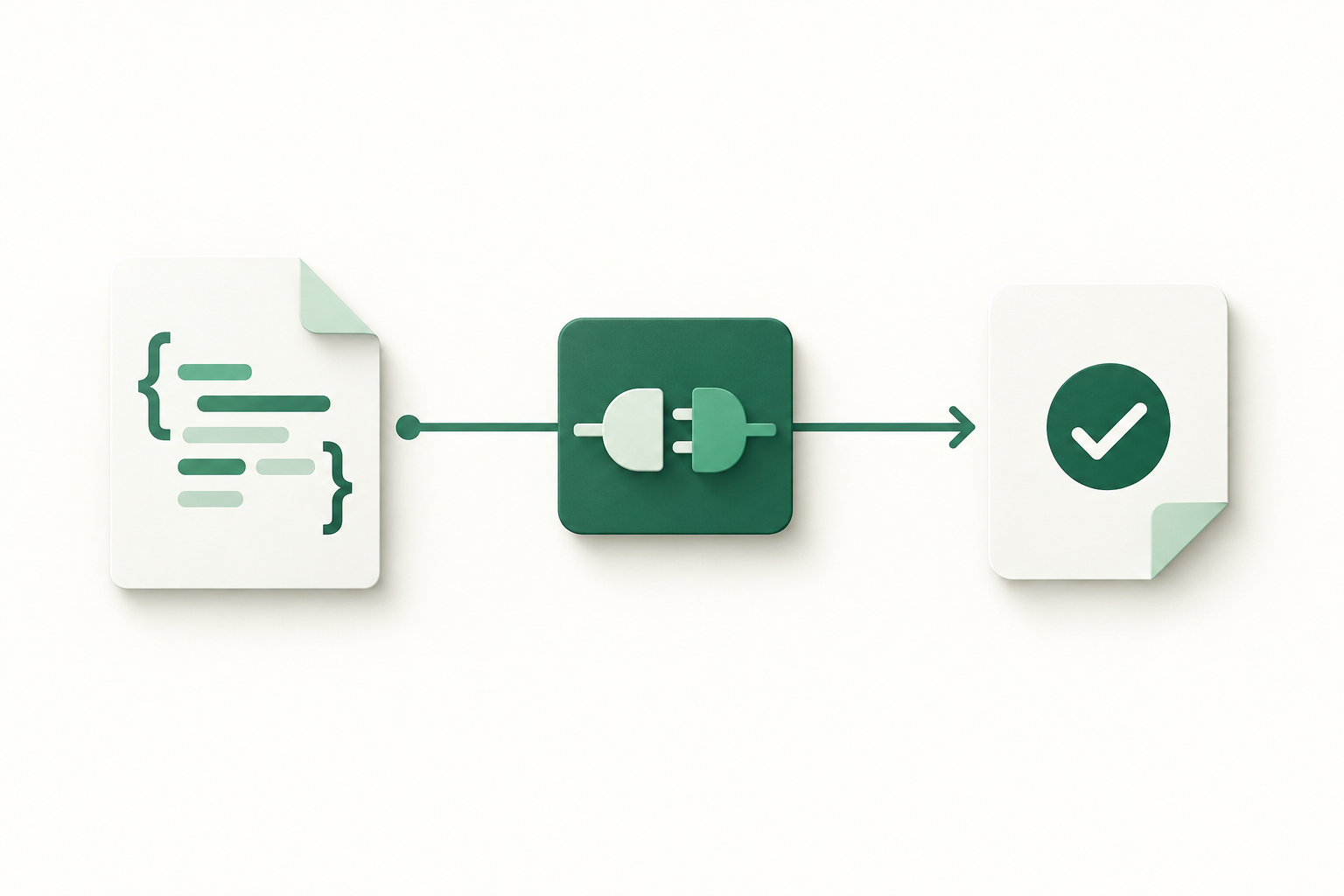
Plain answer first: Peak Demand’s Voice AI can understand a caller’s booking intent, look up availability and price in your Bokun account, create or update bookings when your Bokun plan and supplier permissions allow, and confirm outcomes to the caller. It will not bypass supplier permissions or invent booking authority.
Caller experience in one sentence
A caller speaks naturally — “I want to book the 10am city tour on Saturday for four people” — and the Voice AI responds by checking your Bokun inventory, confirming price and availability, asking the minimum business questions needed (contact, attendee count, optional extras), completing the permitted action, and giving a clear confirmation or next step.
- Goal: minimise menu navigation and front-desk effort while keeping safety and supplier rules intact.
- Peak Demand only executes actions your Bokun credentials and supplier agreements allow.
Where Bokun’s API fits (short)
Bokun provides a documented REST developer surface for reading inventory and making booking-related requests. That documented API is the permitted integration surface Peak Demand uses to perform search, scheduling and write actions when authorised.
- Authentication uses API credentials governed by Bokun account permissions.
- Read and write operations for bookings are available subject to marketplace and supplier scopes.
- Webhooks can be conditional depending on your Bokun setup; plan the integration accordingly.
What happens when a caller wants to book, change or check something?
Below are the practical caller journeys operators ask about most. For each: what the caller says, what the agent needs, what Bokun can do, what the caller hears, and when to escalate.
Availability and price check
Caller: “Is there space on the 10:00 city bike tour this Saturday for four?” Agent action: The Voice AI queries Bokun for that product and time slot, checks remaining availability, and fetches price and optional extras. System action: read availability and rate data from Bokun and return a short human-friendly summary. Caller confirmation: “Yes — we have four spaces at €45 each, extras include helmets and insurance — would you like to proceed?” When to hand over: Only if supplier-specific checks are required (e.g. supplier must confirm) or if pricing depends on complex coupon/contract logic.
- Minimal caller input: date, time, product, party size, and contact name or phone.
- Peak Demand reads only permitted inventory and rate data from Bokun.
- If Bokun returns no availability, the AI offers nearest alternatives and optionally places the caller on a waitlist or callback task.
Create a booking (what’s realistic)
Caller: “Book the 10am city tour for four, name is Sara, phone 07X…” Agent action: after confirming availability and any extras, the Voice AI collects the minimum required fields (lead traveller, attendee count, extras) and submits a booking request to Bokun. System action: create booking record via Bokun API, receive booking reference and supplier status. Caller confirmation: the agent reads the booking reference, total price, and any next steps (payment, voucher, meeting point). When to hand over: if card entry or PCI-handling is required, the AI schedules a secure payment flow or transfers to a human agent.
- Booking create/write is supported via Bokun’s API when your account and the supplier allow write operations.
- Peak Demand enforces validation rules before calling Bokun (e.g. required fields, business rules).
- The booking is logged, and a transcript or structured summary is saved for operator QA and audit.
What can the agent update or route?
Operators want to know which record edits are safe for an automated voice agent and which are better left to staff.
Safe edits the Voice AI can make
Examples include updating contact details, adding notes to a booking, changing attendee counts (within availability), and applying simple extras or upgrades if permitted by your Bokun product configuration.
- Contact updates, notes and some add‑ons are straightforward when Bokun permits them via API.
- Peak Demand includes business-rule checks (e.g. max party size) before making updates.
- Every change is recorded and timestamped for audit and QA.
Routing and task creation
If an action requires human review (supplier confirmation, payment capture, unusual requests), the Voice AI can create a ticket or task in your operational queue, include the booking context, and offer the caller a callback window.
- Tasks include a short structured summary, link to the Bokun booking reference, and urgency flag.
- Peak Demand’s middleware handles retries and escalation rules so staff receive clear instructions.
When should a human take over?
Voice AI increases capacity but not liability. Here are the clear escalation triggers we recommend.
Payments, disputes and refunds
Any situation that needs card entry, refund approval outside standard automated flows, or chargeback handling should escalate to a human. Bokun may not expose card capture in a way your account allows for unattended voice payment without additional PCI controls.
- If a caller needs to pay by card, route to a secure human or a validated tokenised payment flow.
- Refunds that require human judgement or supplier negotiation should be handled by staff.
Complex multi‑supplier or bespoke itineraries
If changing one booking cascades across supplier bookings, ground transfers, or timed connections, hand off to an agent to avoid orphaned bookings or supplier conflicts.
- Human oversight is necessary when supplier approval or reconfirmation is documented in Bokun or your agreements.
- Use the Voice AI to collect context and create a prioritized task for a human operator.
Implementation reality: API access, permissions and middleware
A short, practical explanation for operators evaluating a Peak Demand deployment alongside Bokun.
API, permissions and what Peak Demand needs
Bokun exposes a REST API surface that supports reading inventory and creating or updating bookings where your account allows it. In practice, you must provision API credentials with the appropriate scopes and confirm any marketplace or supplier restrictions before enabling write actions.
- Authentication: REST/API credentials governed by your Bokun account.
- Read: Yes; Write: Yes (bookings) — subject to supplier and marketplace permissions.
- Webhooks: Conditional — your Bokun setup may support webhooks that Peak Demand can listen to for status changes, depending on plan and configuration.
Why Peak Demand’s AWS middleware matters
Peak Demand puts an AWS‑hosted middleware layer between the voice front end and Bokun. This layer enforces your business rules, validates inputs, handles retries and rate limits, performs audit logging, and stores interaction summaries. It also isolates sensitive payment flows from the voice layer and can orchestrate secure human handoffs.
- Middleware ensures only permitted fields are written to Bokun and records each transaction for QA.
- It allows configurable escalation rules and can post tasks to your ops queue or CRM.
- Peak Demand’s approach limits blast‑radius liabilities while keeping caller experience smooth.
Operational checklist and next steps
A compact action list for operators ready to trial Voice AI with Bokun.
Permissions and test accounts
Set up a Bokun test account or sandbox credentials where possible; provision API credentials with the minimum required scopes for read and write testing. Confirm supplier marketplace permissions ahead of schedule.
- Validate webhooks if you want real‑time status pushes into Peak Demand’s systems.
- Document cancellation and refund policy handling so the Voice AI can quote accurate next steps.
Design your caller flows and escalation rules
Decide which interactions the Voice AI can complete end‑to‑end (availability, simple bookings, contact updates) and which must create a ticket for human follow‑up (payments, complex rebookings). Build short prompts that gather only required fields.
- Use staged confirmations: summary → one question for consent → write action → final confirmation.
- Collect consent for call recording and data storage according to your jurisdictions and supplier agreements.
Related Peak Demand resources
Industry and AI sources reviewed
Privacy, cybersecurity, contractual, records, and sector-specific obligations vary by jurisdiction and connected system. This article is operational guidance, not legal advice; organizations should confirm applicable requirements with qualified professionals.
Frequently asked questions
Yes — where your Bokun account credentials and supplier marketplace permissions permit write access, Peak Demand’s Voice AI can create bookings through the Bokun API and return the booking reference and supplier status to the caller. You must validate supplier permissions and payment requirements beforehand. Peak Demand’s AWS middleware enforces business rules and logs the result.
Official reference: Bokun official API/developer source
Treat card capture cautiously. Bokun’s API supports booking creation, but card handling is governed by your payment setup and PCI obligations. Peak Demand can integrate secure tokenised payment flows or route the caller to a human for card entry. Do not assume unattended voice-to-card capture is acceptable without confirming your payment processor and regulatory needs.
Typical verification is brief: booking reference plus last name or the phone number on the booking. Peak Demand recommends configurable verification thresholds — stricter for cancellations and refunds. The Voice AI performs verification, and only after successful checks will it call Bokun to update or cancel a booking.
Official reference: Bokun official API/developer source
If Bokun returns a validation error, availability conflict, or permission denied, Peak Demand’s middleware reports the error back to the caller in clear language, offers alternatives if possible, and creates a follow‑up task for staff. Retries are handled automatically according to predefined policies; persistent failures become human tickets.
Official reference: Bokun official API/developer source
Yes. Marketplace and supplier permissions set in Bokun control which write actions are permitted. Before enabling any automated booking or modification flows, confirm supplier authorisations and any supplier-initiated reconfirmation steps. Peak Demand will only exercise operations allowed by your Bokun credentials.
Official reference: Bokun official API/developer source
Engineer the integration layer before scaling Voice AI
Peak Demand designs the APIs, logic bridges, validation, fallback, observability, and human-escalation infrastructure required for dependable Voice AI operations.
Schedule a discovery call


