
Practical guide for nonprofit buyers and operators: what a Peak Demand Voice AI agent can actually do with Bloomerang—lookup, log, route, schedule and when to hand off to a human.
What can Voice AI actually do with Bloomerang?
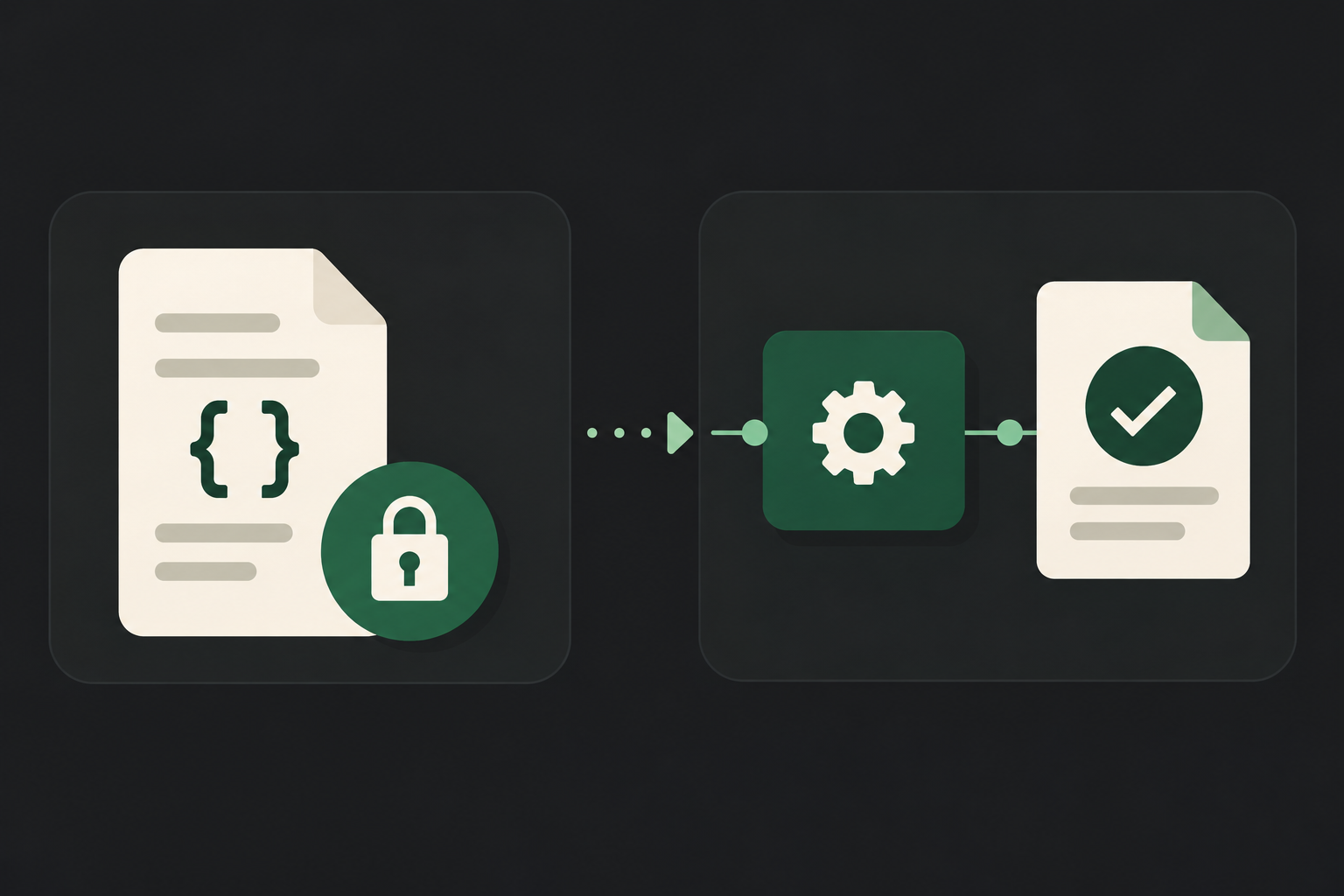
Short answer: with organisation-authorised API credentials and scoped permissions, a Peak Demand Voice AI agent can read donor records, add permitted notes or activities, check pledge and communication status, and route calls. The system only performs actions the organisation permits and always confirms the result with the caller.
Capabilities that are routinely available
When Bloomerang API access is granted, Peak Demand can look up constituents, read contact details and engagement history, create activity records (like callbacks or tasks), and append call notes. These are the primary building blocks for caller-facing workflows: retrieve, confirm, act, confirm. Peak Demand limits what context goes to the voice model using a Model Context Protocol (MCP) so only the minimal, relevant data is used in the conversation.
- Constituent lookup and read of permitted fields
- Create activities/tasks and append call notes
- Check pledge/donation status and activity history
- Route or escalate to humans with context and queue placement
Actions that need validation or plan confirmation
Some actions are conditional: scheduling follow-up interactions via Bloomerang’s activity model is supported when the organisation uses activities/constituent workflows and gives the required API permissions. Financial or payment gateway operations often live outside Bloomerang or require additional gateway integrations, so Peak Demand will validate whether those writes are allowed before attempting them.
- Scheduling follow-ups if activities are permitted
- Donation records: possible where API write for transactions exists, but payment capture/processing may need a separate gateway
- Webhooks and incoming event triggers work if the client configures them
What happens when a caller wants to check or update something?
Below are caller-to-workflow examples you can expect in everyday fundraising operations. Each example shows what the caller asks, what the agent checks in Bloomerang, the permitted action, the confirmation message, and when to hand over to a human.
Caller: “I’m calling to confirm my donation was received.”
What the Voice AI does: ask for identifying info (name, email or donor ID); look up the constituent and recent transactions; read back the latest donation date, amount and receipt status. If the record shows a completed donation, the agent confirms the receipt and offers to email the receipt or send a donor copy.
- Look up constituent by provided identifier
- Read last donation activity and receipt status from Bloomerang
- Create a call note recording the query and the information provided to the caller
- Offer to route a copy of the receipt by email (if allowed)
Caller: “Please update my phone number and mailing address.”
What the Voice AI does: verify identity using organisation rules; update permitted contact fields in Bloomerang; confirm the new data to the caller. Peak Demand enforces confirmation steps so accidental writes are reduced; a summary of the changes is logged as an activity and appended to the constituent’s record.
- Verify identity according to rules you define
- Write allowed contact fields to Bloomerang and log an activity
- Read back the updated contact details for confirmation
What can the agent update or route?
Operators often ask whether Voice AI can change consent, opt someone out of emails, or update pledge commitments. Here's a practical breakdown.
Consents and communication preferences
If your organisation stores consent fields in Bloomerang and exposes them via the API, Peak Demand can read the current preference and propose changes. Because these changes affect legal communications, Peak Demand will require multi-factor validation or hand the call to a human if your policy demands it.
- Read communication preferences
- Propose and write preference changes only when policy permits and verification passes
- Log the confirmation and create an audit activity
Routing to teams, volunteers, or specialists
Voice AI can route calls based on constituent data (major donor, recurring gift, event registrant) and create a priority activity or ticket in Bloomerang for the right person or team. Peak Demand includes a human-handoff path with context to reduce duplication when the live agent joins the call.
- Classify caller using Bloomerang engagement tags
- Create an activity/ticket and place it in the right queue
- Attach call transcript and summary for a faster human takeover
When should a human take over?
Voice AI is valuable for routine lookups and administrative actions. It should defer to humans for items that require judgement, legal certainty, or secure payment handling.
Payment changes, disputes and sensitive legal statements
Never rely on a voice-only automated agent to authorise payment card changes, process refunds that require gateway credentials, accept legally-binding pledges without human verification, or take medical/legal statements. Peak Demand routes these calls to a human and attaches the data collected so staff can complete the action securely.
- Trigger human handoff for payment authorisation or refunds
- Escalate high-dollar or high-risk donor interactions
- Escalate when verification fails or ambiguous statements occur
Complex strategy or stewardship conversations
Conversations requiring tailored stewardship plans, negotiated recognition, or long-running personal relationships should be handled by human fundraisers. Voice AI will capture the context, record notes in Bloomerang and set tasks for the right human to follow up.
- Capture context and create a detailed activity in Bloomerang
- Ensure human staff receive transcripts and caller history before calling back
Implementation reality: API access, permissions and Peak Demand’s control layer
Practical buyers need to know what’s required to make these workflows real. Bloomerang provides a documented REST API with both read and write capabilities when organisations authorise API credentials. Scheduling and webhook behaviours are conditional on how an organisation uses activities and configures webhooks.
Authentication, scopes and organisation consent
Connecting Peak Demand requires REST API credentials that your organisation issues. Peak Demand’s AWS middleware uses those credentials to call Bloomerang within the exact scopes you permit. Peak Demand never attempts actions outside those scopes and logs every request for auditability.
- REST API credentials and organisation authorisation are required
- Read and write are available when explicitly allowed
- Scheduling (activity creation) and webhooks depend on your configuration
Middleware, validation and failure handling
Peak Demand’s AWS middleware sits between the voice agent and Bloomerang to enforce business rules, do input validation, manage retries, mask sensitive fields from models, and maintain an immutable audit trail. On failure (API downtime, permission error, validation fail) the caller receives a clear explanation and the call is routed to a human if needed.
- MCP (Model Context Protocol) controls what data is sent to models to protect donor privacy
- Retry and circuit-breaker logic for resilient writes
- Audit logs, transcript storage and activity records for QA and compliance
Operational checklist before you enable Voice AI with Bloomerang
A concise checklist to speed procurement and pilot decisions.
Permissions and policy
Decide which Bloomerang fields and write actions are allowed, define verification rules for identity and consent changes, and document the human-handoff policy.
- Define exact API scopes and field-level permissions
- Decide verification steps for updates and consent changes
- Create escalation rules for payment and legal issues
Pilot design and QA
Start with low-risk workflows: lookup, call logging and scheduling activities. Measure accuracy, false positives in verification, and handoff quality. Use Peak Demand’s QA reporting to iterate on prompts and flows.
- Pilot donor lookup and call logging first
- Monitor verification pass rates and human-handoff volumes
- Use audit logs and transcripts to refine business rules
Related Peak Demand resources
Industry and AI sources reviewed
- Bloomerang official API/developer sourceBloomerang
Privacy, cybersecurity, contractual, records, and sector-specific obligations vary by jurisdiction and connected system. This article is operational guidance, not legal advice; organizations should confirm applicable requirements with qualified professionals.
Frequently asked questions
Possibly, but it depends on how your organisation processes payments. Bloomerang’s API supports creating donation and activity records if your organisation grants write permissions. If payment capture is required, the Voice AI will either confirm that a donation record can be logged (when payment was processed separately) or route the caller to a human if the payment gateway is not integrated or the organisation’s policy requires human authorisation.
Official reference: Bloomerang official API/developer source
Yes—if your Bloomerang instance exposes consent/communication-preference fields via the API and you provide the necessary write scope. Peak Demand recommends additional verification for opt-outs or opt-ins that have legal implications and will require a human if your policy demands stronger identity proof.
Official reference: Bloomerang official API/developer source
Peak Demand implements a Model Context Protocol (MCP) to control and minimise what donor data is provided to the model during a conversation. Sensitive fields can be masked or omitted; only the minimum context needed to complete an approved action is sent. Full audit logs and transcripts are retained under your configuration.
Integration requires organisation-authorised REST API credentials with scopes for the exact read/write actions you permit. Scheduling or webhook behaviours must be enabled or configured in Bloomerang. Peak Demand’s onboarding process documents required scopes and assists with secure credential exchange.
Official reference: Bloomerang official API/developer source
Peak Demand’s middleware includes retry, back-off and circuit-breaker logic. If an action cannot be completed due to API downtime or permission errors, the agent informs the caller and either queues the task for manual completion or routes the call to a human, depending on your configured policies.
Official reference: Bloomerang official API/developer source
Engineer the integration layer before scaling Voice AI
Peak Demand designs the APIs, logic bridges, validation, fallback, observability, and human-escalation infrastructure required for dependable Voice AI operations.
Schedule a discovery call


